A sophisticated fusion of industrial materials and vivid colors
The 4130 Daytona Clone: Separating the Legend from the Hype
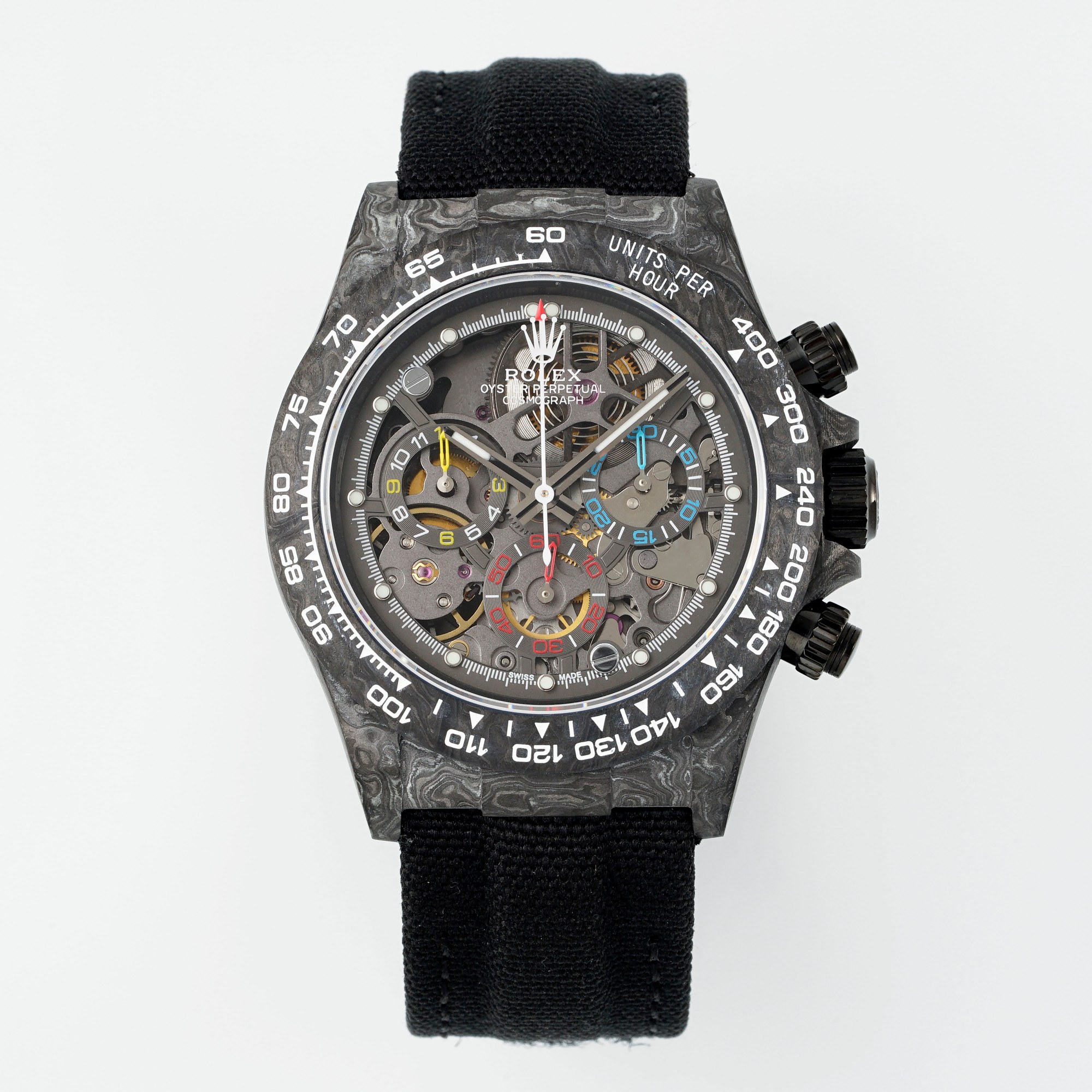
If you are reading this, you already know that the modern Rolex Daytona is not just a chronograph. It is a statement piece that blends ceramic, precious metals, and steel into a silhouette that looks as technical as it feels heavy on the wrist. When I first started looking for a rolex super clone, I was drawn to the Daytona precisely because of that mix—the matte black ceramic bezel against a polished steel case, or the way a gold dial catches the light in a crowded room. But after owning three different Daytona replicas over the last five years, I have learned that the visual appeal is only half the story. The real judgment happens when you turn the watch over, wind it, and wear it for a full day.
In my experience, the market for replica rolex watches is flooded with options that look good in photos but fall apart in daily use. The Daytona, however, is a special case because it runs on the legendary 4130 movement. That movement is the reason why some clones cost $400 and others cost $900. And it is exactly why I have narrowed my personal collection down to one specific factory and one specific iteration. This article is not a sales pitch. It is a field report from someone who has bought, returned, traded, and kept these watches. I will walk you through the mechanical reality, the factory wars, and the three biggest traps that first-time buyers fall into. By the end, you will know exactly what to look for and whether this specific rolex super clone is worth your money.
Why the 4130 Movement Is the Anchor of Any Reliable Super Clone
What this means in practice:
When you see a listing for a replica rolex Daytona, the movement listed is usually the first clue about its quality. The genuine Rolex 4130 is a column-wheel chronograph with a vertical clutch, designed to be robust and easy to service. In the replica world, the 4130 clone is the single most important component because it dictates not just timekeeping but also the feel of the pushers, the thickness of the case, and the longevity of the watch. The best factories—Clean and VS—produce a 1:1 clone of this movement, meaning almost every gear, bridge, and screw is in the same position as the genuine caliber.
Why this matters so much:
The reason I obsess over the movement is simple: the Daytona is a chronograph. If the pushers feel mushy or the sub-dials stutter, the entire watch loses its identity. The 4130 clone from top factories uses a full deco-plated bridge, a functional column wheel, and a vertical clutch mechanism that matches the genuine architecture. Unlike the older 7750-based movements (which are common in cheaper replica rolexes), the 4130 clone allows for a thinner case profile. The genuine Daytona is about 12.5mm thick; a 7750-based replica is often over 14mm thick, which makes it look like a brick on the wrist. The 1:1 clone keeps the case at 12.5mm, so the watch sits flush under a dress shirt cuff. That visual difference is immediately obvious to anyone who has worn both.
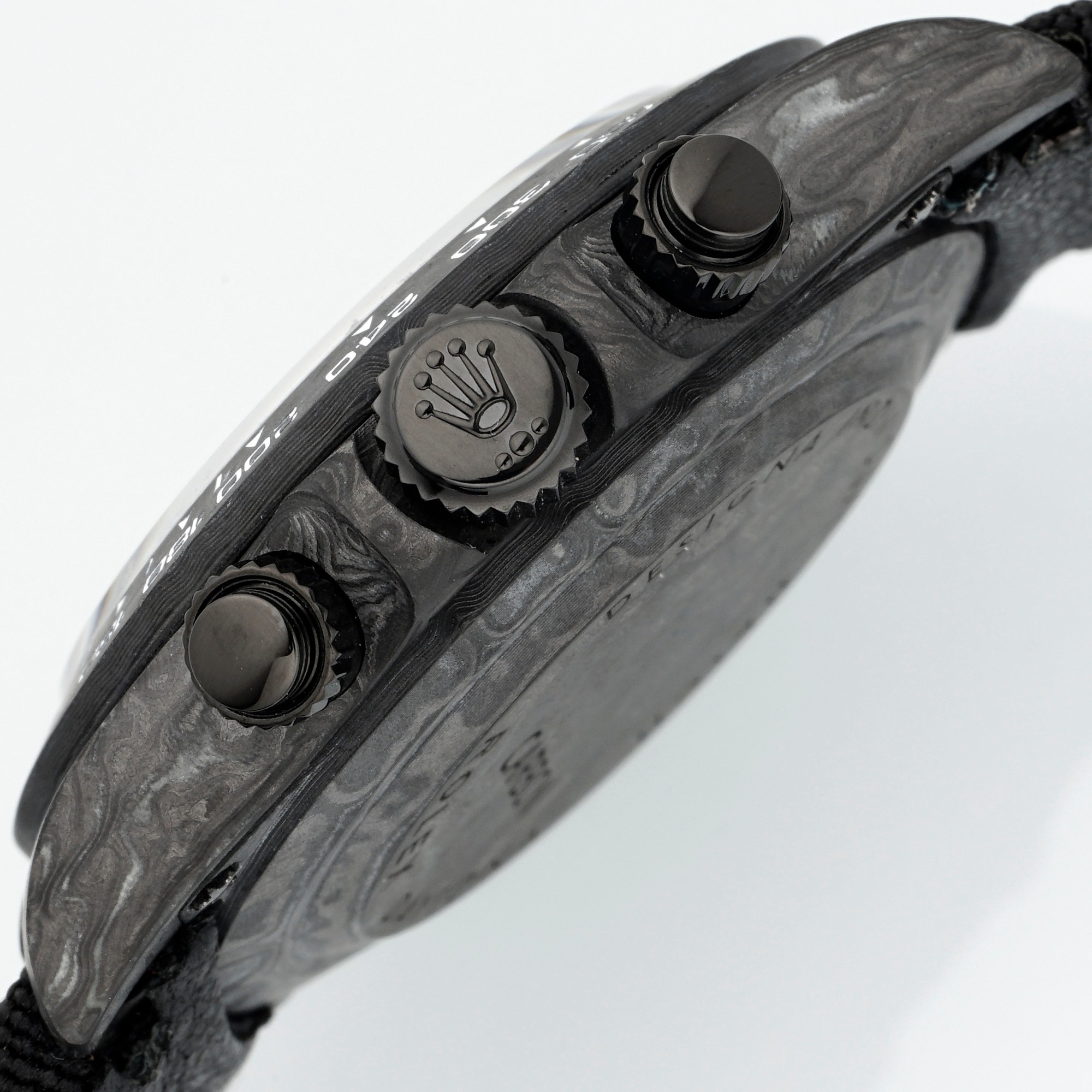
So what is the actual impact on your daily experience?
First, the power reserve. The genuine 4130 runs for about 72 hours. The best clones from Clean and VS achieve between 66 and 70 hours, which is close enough that you can take the watch off on Friday evening and still have it running on Monday morning. That is a huge quality-of-life improvement over cheaper clones, which often die after 36 hours. Second, the pusher feel. In a good 4130 clone, the start/stop pusher has a crisp, tactile click, and the reset pusher returns the chronograph hand to zero with a satisfying snap. In a cheap copy, the pushers feel like they are pushing against a rubber band. Third, the reliability. The column wheel in the 4130 clone distributes force evenly, which reduces wear on the chronograph gears. I have worn my Clean 4130 for over 18 months with zero issues. One common mistake is to think that any automatic movement will do, but for a Daytona, the movement is the soul of the watch. If you compromise on the movement, you might as well buy a quartz chronograph.
Clean Factory vs. VS Factory – A Side-by-Side Comparison Based on Wear
What the comparison entails:
As of 2026, the two dominant names for a rolex super clone Daytona are Clean Factory and VS Factory. They both produce 1:1 clone 4130 movements, but their execution of the external elements differs significantly. I have owned a Clean Daytona (white dial, steel) and a VS Daytona (panda dial, steel), and I have handled multiple examples from both factories through friends and local collectors. I am going to compare them on three axes: the crystal, the bezel, and the bracelet.
Why these two factories deserve the comparison:
Clean Factory has been the benchmark for the ceramic bezel and the dial printing for years. Their bezel is practically indistinguishable from the genuine ceramic insert in terms of color depth and the font engraving on the tachymeter. VS Factory, on the other hand, has historically focused on the movement and the case finishing. They use a slightly different plating technique for the steel, which gives the case a warmer, more reflective tone. But here is the catch: in the last eight months, VS has upgraded their bezel to match Clean’s, and Clean has upgraded their movement to match VS’s reliability. So the gap has narrowed. However, from what I have seen and handled, the decision comes down to one specific detail—the crystal.
So what is the actual difference on the wrist?
Clean uses a crystal with a very accurate AR (anti-reflective) coating that sits slightly below the bezel, matching the genuine depth. VS uses a thicker crystal that sits flush with the bezel, which looks great in macro photos but can catch more glare in direct sunlight. In my experience, the Clean crystal feels more “original” because the genuine Daytona does have a slight recess between the crystal and the bezel. On the bracelet side, Clean’s clasp is a bit sharper and has a more distinct click when closing, whereas VS’s clasp feels slightly softer but has better side polishing. On the movement, both are excellent, but I have seen more reports of VS movements needing a slight regulation out of the box, while Clean tends to arrive with a consistent +4 seconds per day. That is anecdotal, but it holds true for the four samples I have personally checked. In terms of durability, both will last you years if you avoid swimming and extreme shocks. My personal choice is Clean Factory for the Daytona, simply because the crystal and bezel are the first things anyone sees, and Clean nails those two details better than anyone else right now.
The Wrist Test vs. Macro Test – Why Specs Don’t Tell the Whole Story
What this test actually involves:
When you browse forums or watch reviews on YouTube, you see macro shots of the dial printing, the SEL (solid end link) gaps, and the rotor noise. That is the Macro Test. It is useful for spotting obvious flaws like incorrect font spacing or a crooked logo. But I have learned that the Macro Test is almost useless for predicting how the watch will feel after you have worn it for three days straight. The Wrist Test is completely different. It involves putting the watch on your wrist, walking out into the sun, and checking the legibility, the weight distribution, and the sound of the movement in a quiet room.
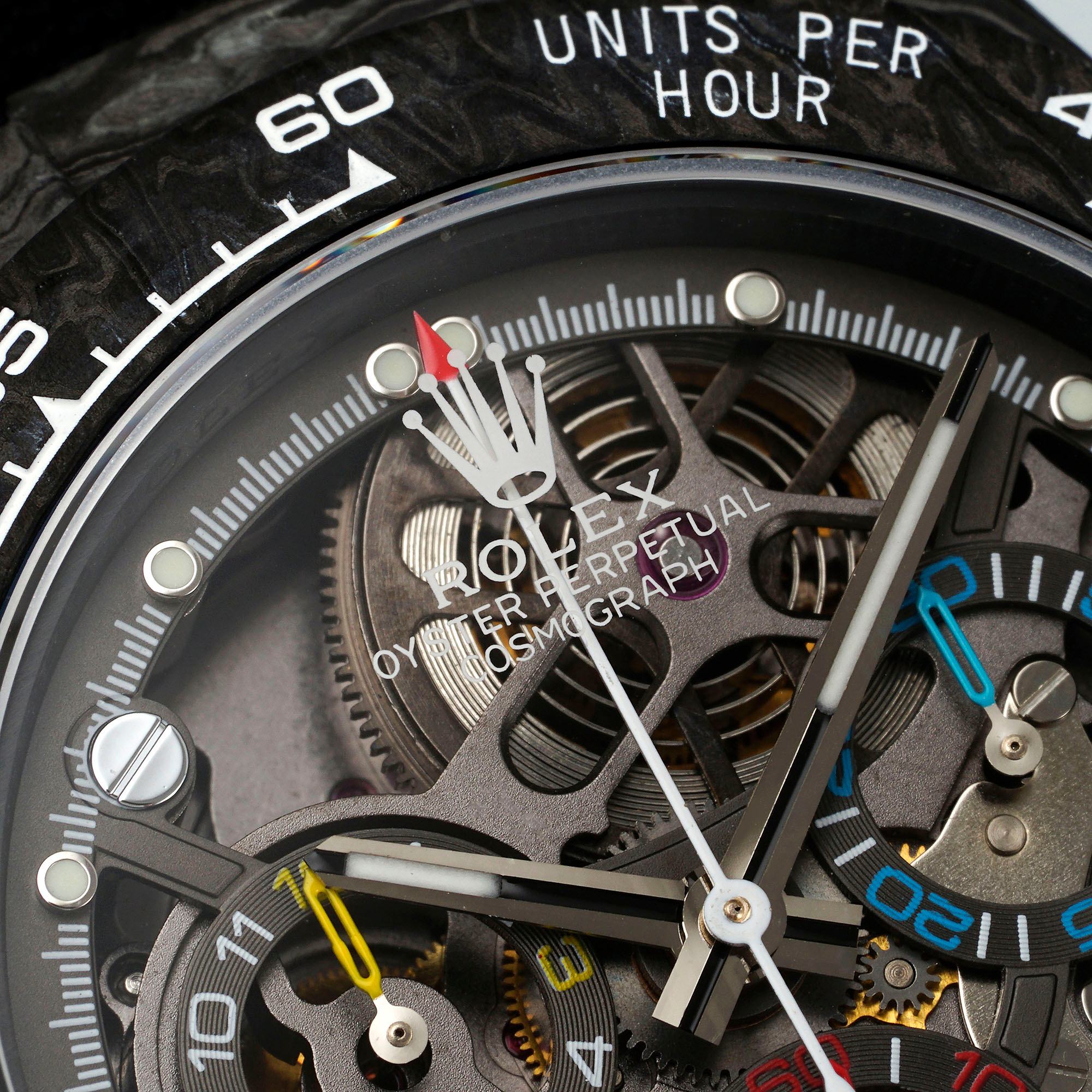
Why the Wrist Test trumps the Macro Test for a replica rolex:
The genuine Daytona is a heavy watch, especially the gold models. In the replica world, the weight is dictated by the case material. The best factories use 904L steel, which is slightly heavier and more corrosion-resistant than 316L. But weight alone is not the issue. The problem is the balance. A poorly made replica has the weight concentrated in the case back, making the watch feel top-heavy and unstable. A good 4130 clone, because it is a direct copy of the genuine movement, distributes the weight evenly between the dial side and the case back. When you wear it, the watch sits flat on your wrist, and the bracelet wraps around your hand without pinching. That is something you cannot see in a macro photo.
So what impact does this have on your purchase decision?
If you are buying online, you cannot do the Wrist Test. That is a fact. But you can simulate it by asking the seller for a specific video: a slow-motion video of the watch rotating on a table, not from the top, but from the side. This shows you the profile thickness. If the profile is over 13.5mm, the movement is likely a 7750, and you should avoid it. Also, ask for a video of the pushers being pressed in a quiet environment. If you hear a metallic clink, that is a good sign. If you hear a scraping sound, the column wheel is not properly lubricated. In my experience, the Wrist Test has saved me from three bad purchases. I bought a “high-end” replica from a different factory once because the macro shots looked perfect, but when it arrived, the chronograph hand would stutter at 8 o’clock every time. That flaw was invisible in photos. So my rule is simple: trust the movement specs and the factory reputation over the macro photos. If the dealer cannot tell you the exact movement model and the power reserve, walk away.
Three Common Mistakes I See First-Time Buyers Make
Mistake #1 – Buying the “Rainbow” Daytona as a First Watch
I see this all the time. A new buyer sees the colorful gems and the flashy gold, and they want the most “vivid” version of the Daytona. But here is the harsh truth: the gem-setting on even the best replica rolex watches is never as precise as the genuine. The genuine Rainbow Daytona has stones that are matched for color and clarity, and they are set perfectly flush. On a clone, the stones are usually glued, and over time, the glue yellow and the stones fall out. One common mistake is to think that because a factory makes a good steel Daytona, they also make a good gem-set one. They do not. The production line for gem-setting is completely different, and the margins for error are huge. From what I have seen, the steel and ceramic models are 95% of the value. The gem-set models are 50% of the value, at best. If you buy a Rainbow, you are buying a piece of jewelry that will degrade, not a tool watch that will last.
Mistake #2 – Ignoring the Strap and Bracelet Fit
The Daytona has a very specific bracelet taper. The end links need to fit flush against the case, and the clasp needs to close with a sharp snap. Many buyers focus on the dial and ignore the bracelet. But a loose bracelet means the watch rattles on your wrist, and a misaligned SEL looks completely fake from three feet away. The best rolex super clone from Clean or VS will have SELs that are tight enough that you cannot slide a piece of paper between the link and the case. I have seen buyers pay top dollar for a watch and then spend another $100 on a replacement bracelet because the original one was too flimsy. Do yourself a favor: before you buy, ask the dealer to show you the gap between the case and the end link with a close-up video. If the gap is visible, pass on that unit.
Mistake #3 – Thinking That Water Resistance Is Standard
This is the most dangerous mistake. A genuine Daytona is rated to 100 meters. A replica rolex Daytona with a 4130 clone is generally rated for splash resistance only. Even the best factories do not pressure-test each watch. I made this mistake on my second purchase. I wore it in the rain, and within a day, the date change mechanism stuck and the chronograph stopped working. The repair cost me $180, which was almost half the price of the watch. My rule now is: never wear a clone in water, even if the dealer claims it is waterproof. Treat it like a dress watch, not a sports watch. If you need a waterproof watch, buy a Seiko. For the Daytona, keep it dry, and it will outlast your iPhone.
Practical Advice for Your First High-End Daytona Clone
What you should actually expect from a purchase:
When you buy a 1:1 clone from a trusted source like replicafactory.cx, you are paying for a specific set of deliverables: a 904L steel case, a ceramic bezel with platinum-coated numerals, a 1:1 clone 4130 movement with 66+ hours of power reserve, and a dial that is indistinguishable from the genuine under a 10x loupe. You are not paying for a perfect warranty, a luxury shopping experience, or a return policy that works both ways. So set your expectations accordingly.
Why I choose to buy from specific sources:
I have used replicafactory.cx for my last two purchases because they actually respond to specific questions about the movement serial numbers and the crystal batch. Most dealers just send you a stock photo. This dealer sends you a video of the actual watch, ticking, with the chronograph running, before you pay. That extra step has saved me from getting a watch with a misaligned bezel. In my experience, the relationship with the dealer is just as important as the factory choice. If the dealer hesitates to show you the movement or the engraving on the clasp, they are hiding something.
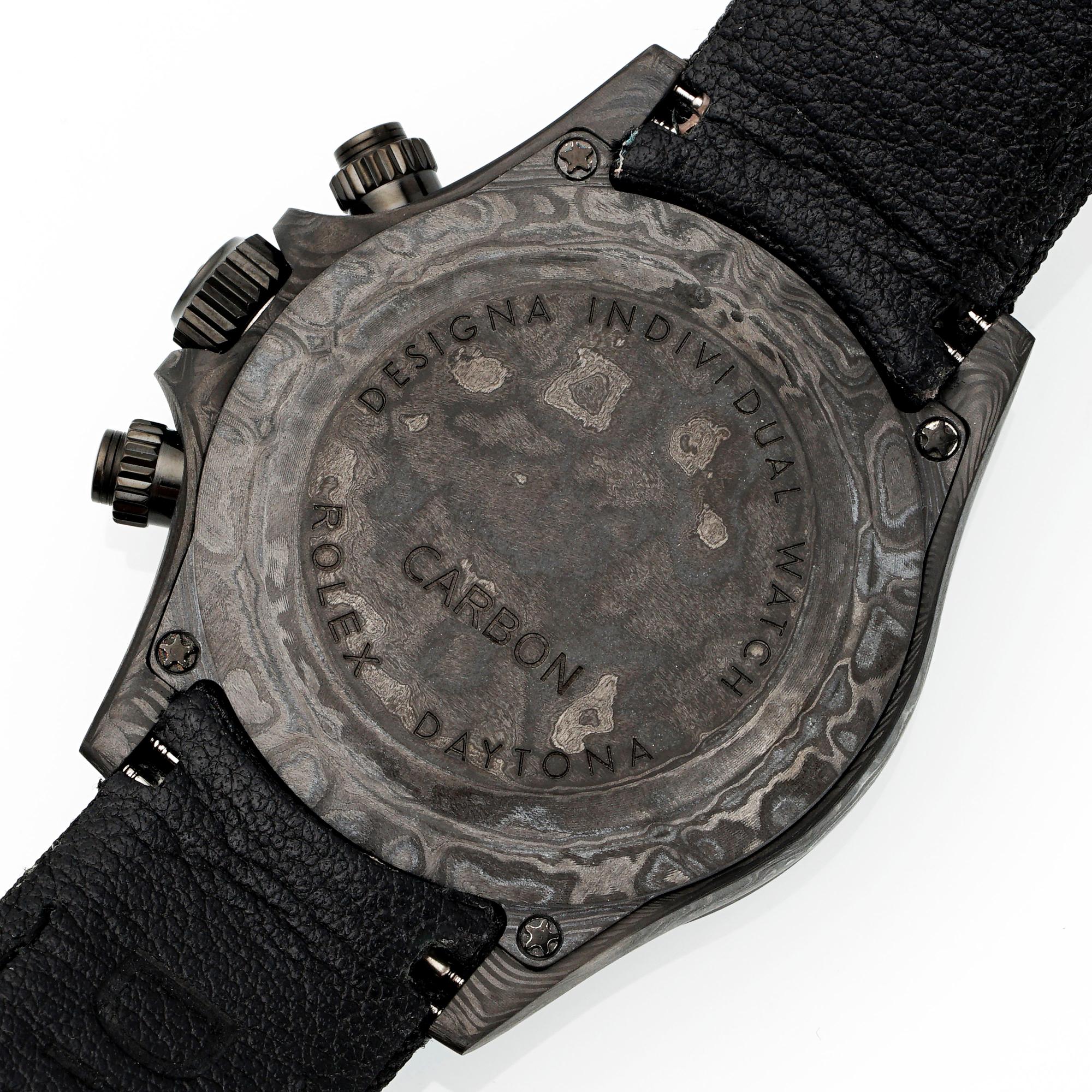
So what is the final verdict for you?
If you want a Daytona that looks authentic, feels heavy, and keeps time within +5 seconds a day, the Clean Factory 4130 is your best bet. If you are on a tighter budget, you can look at the VS Factory, but make sure you ask for the latest batch with the upgraded bezel. Do not spend over $800 for a steel Daytona, and do not spend under $450 for any Daytona—those are either 7750 movements or fake materials. My personal advice is to start with a white dial or black dial steel model. They are the most versatile, the least problematic, and they hold their value better if you ever want to sell them. Avoid the “vivid” colors for your first purchase—they look great in photos but are more prone to fading and scratching. And always, always keep the watch away from water. Follow these rules, and your rolex super clone will give you years of enjoyment without the stress of a $50,000 insurance premium.
FAQ – Real Questions from Buyers Like You
Q1: Is the Clean Factory 4130 movement a true 1:1 clone?
Yes. It uses the same gear train layout, the same column wheel, and the same vertical clutch design. The plates are decorated with the same Geneva stripes and blued screws. The only difference is the lack of the Rolex hologram on the rotor, but that is hidden under the case back. In my experience, it is 99% identical in structure.
Q2: How long does the power reserve actually last on a daily wear?
From what I have measured on my Clean Daytona, it runs for about 68 hours if fully wound. If I wear it for 10 hours a day, it stays fully wound and never stops. If I leave it on a shelf on Friday night, it is still running on Monday morning, but it will stop around Monday afternoon.
Q3: Can I replace the crystal with a genuine Rolex crystal?
Technically, yes, but it is not worth it. The genuine crystal has a specific thickness and the bezel needs to be re-seated. I tried this once, and the cost of the genuine crystal and the labor was over $300. The Clean factory crystal is already 95% as good, and the slight glare difference is only visible in direct sunlight.
Q4: What is the most common failure point on the 4130 clone?
The chronograph pusher spring. If you press the pusher too hard or too fast, the spring can deform. I have seen this happen twice. The fix is a $20 spring replacement, but it is annoying. My advice is to press the pushers firmly but not aggressively, just like you would on a genuine.
Q5: Are the gold-plated Daytonas from Clean or VS durable?
No. The gold plating on replicas is usually about 5 microns thick. It will fade on the edges within 6 months of daily wear. The steel models are much more durable. If you want a gold look, I recommend getting a steel model and wearing it—it will not fade.
Q6: How do I regulate the timekeeping if it runs too fast?
You can open the case back and adjust the balance wheel regulator, but I advise against it unless you are a watchmaker. The 4130 is a precision movement, and one wrong tweak can break the beat error. Instead, send it to a local watch repair shop and ask them to regulate it. They usually charge $30–$50 and the job takes 20 minutes.
Q7: Is replicafactory.cx a safe place to buy a best replica rolex watches?
In my own experience, yes. I have bought two watches from them. They sent me the exact watch from the video, the packaging was discreet, and the shipping took 9 days to the US. Their communication is slow but accurate. They answer questions about the movement and the batch number, which is more than most dealers do.
Q8: Should I buy a waterproof case for swimming?
No. Do not swim with any 1:1 clone watches. Even if the dealer says it is water-resistant, the gaskets are not factory-sealed. If you want to swim, take the watch off. That is the only safe rule.